

Make it a set
- 🚚 Free shipping over ₹299
- ↩️ Easy 10-day returns
- 🌿 Real materials, honestly named
- 💸 Cash on Delivery
“Cork is firm and gives good support in poses. Grip is nice and it doesn�t slip.”
— Aarti Sharma
“Helps a lot in stretches and balance. Size is perfect and edges are smooth.”
— Rahul Mehta
Specifications
Product details
Cork Yoga Brick
A firm cork block that brings the floor closer so your alignment stays true while flexibility builds.
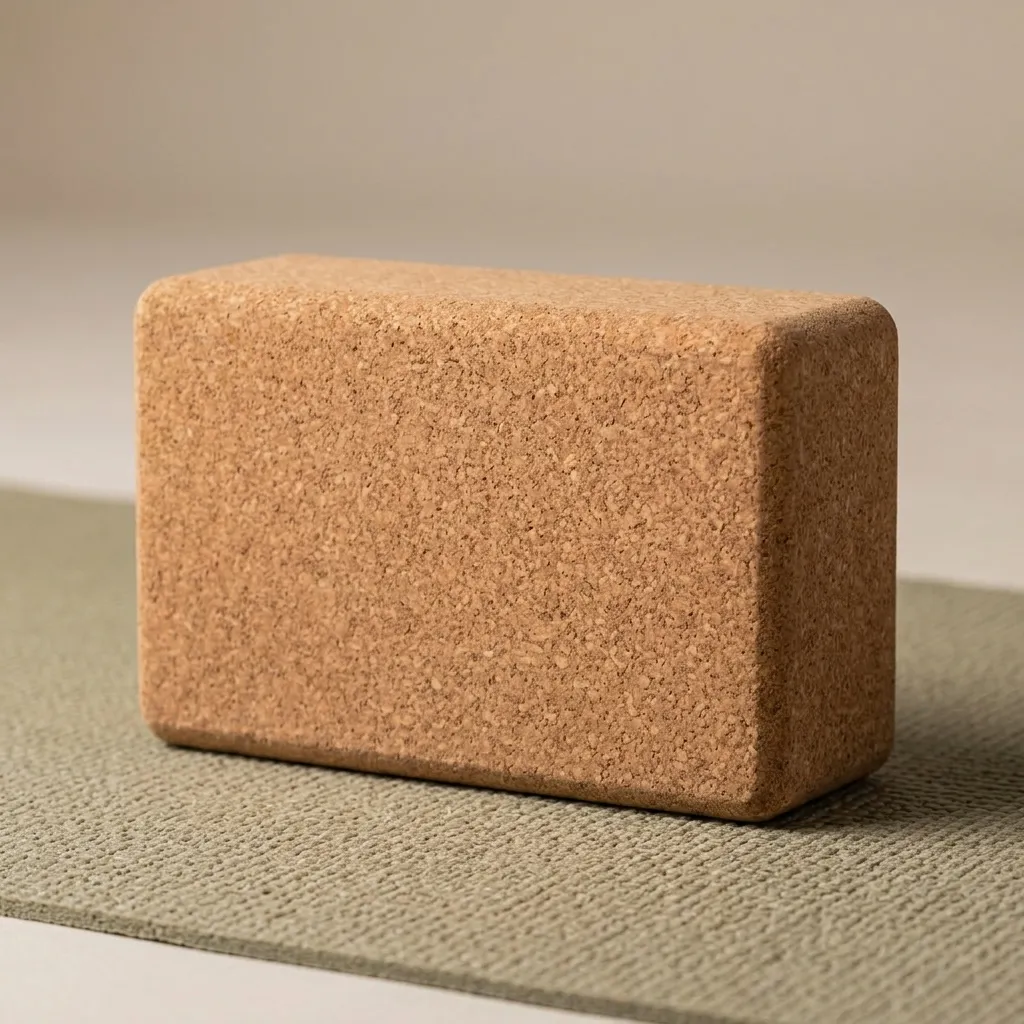
Cork holds its shape under full bodyweight where foam compresses, and grips well even in a sweaty practice — useful in Triangle, Half Moon, forward folds, and seated work where you sit on it to lift the hips. 23 × 13 × 8 cm, rounded edges; available singly or as a pair.
Solid cork, no foam core or coating, made in India. Wipe with a damp cloth and mild soap; air dry fully.
Three things make it work.
Real, dense cork
Solid cork all the way through -- no foam core, no plastic shell. Holds firm under full bodyweight; doesn't compress and lose shape over time.
Non-slip, naturally clean
Cork's natural texture grips well, even when sweaty. Naturally moisture-resistant and antimicrobial -- doesn't absorb sweat or odour.
Rounded edges
Comfortable to hold, gentle on wrists, palms, and the spine. The block goes under the back without digging in.
A block changes the practice.
Bring the floor closer
Triangle, half moon, forward folds -- the block lets the hand rest where the floor isn't. Alignment stays honest. Flexibility builds underneath.
Square the spine in seated work
Sit on the block to raise the hips above the knees. Pelvis tilts forward, lower back stops rounding, breath gets longer. Pranayama and meditation become sustainable.
Restore & release
Supported bridge under the sacrum, supported fish under the upper back, supported pigeon under the hip. The block holds the shape while the body softens around it.
Three heights, one block
Tall edge for the maximum lift. Flat face for medium support. Narrow edge for the lowest setting. One object, three usable surfaces.
Where it fits your day
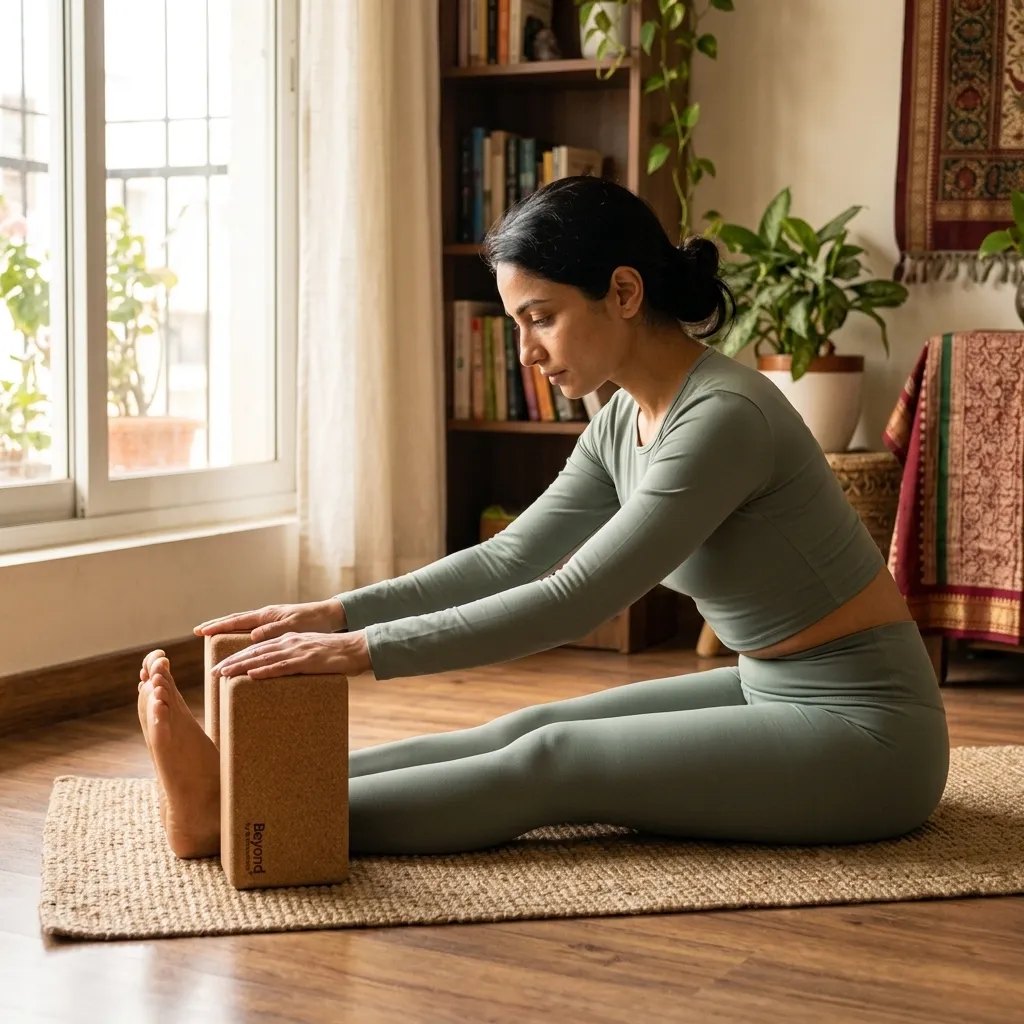
Your first prop
The most useful block for beginners — it shortens the reach in forward folds and twists, so you hold proper alignment long before the flexibility arrives.
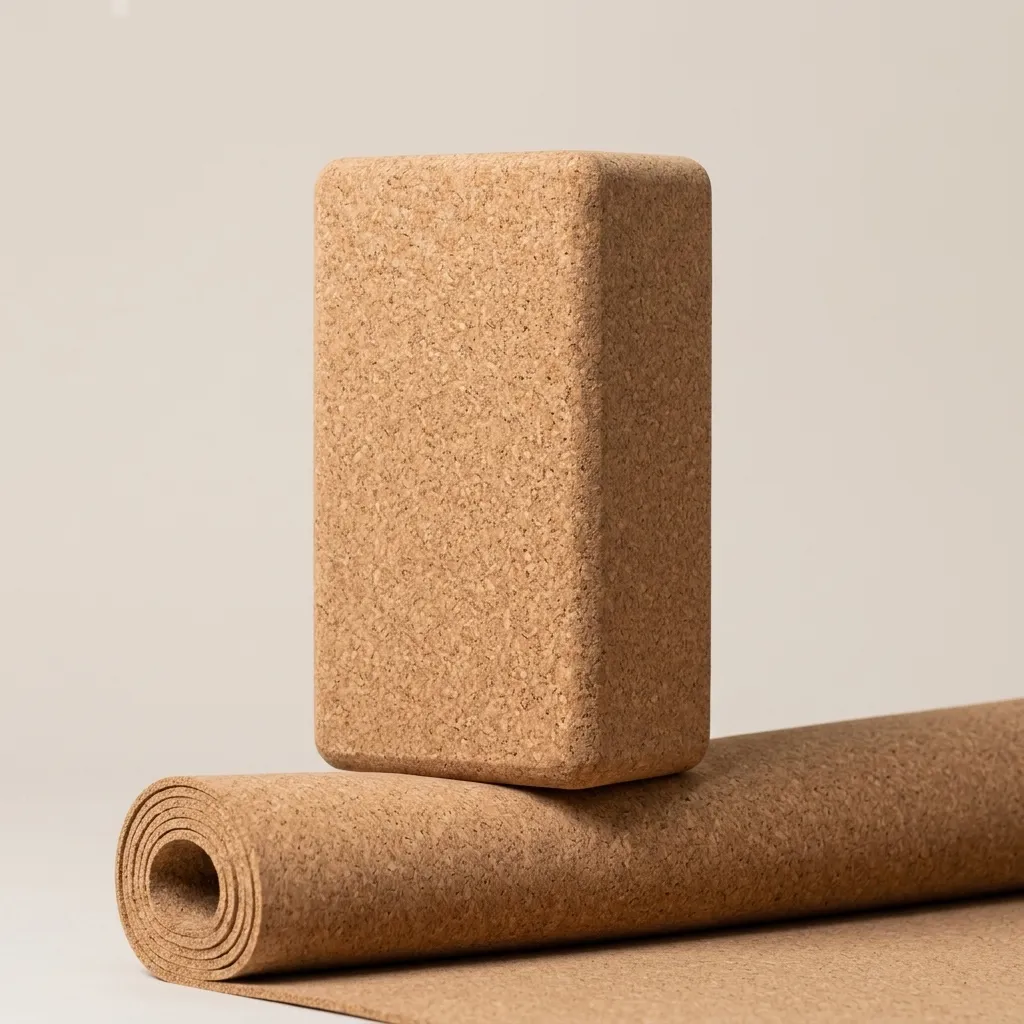
Three heights, one block
Tall edge for the most lift, flat face for medium, narrow edge for the lowest. One object, three usable surfaces — you change the height, not the block.
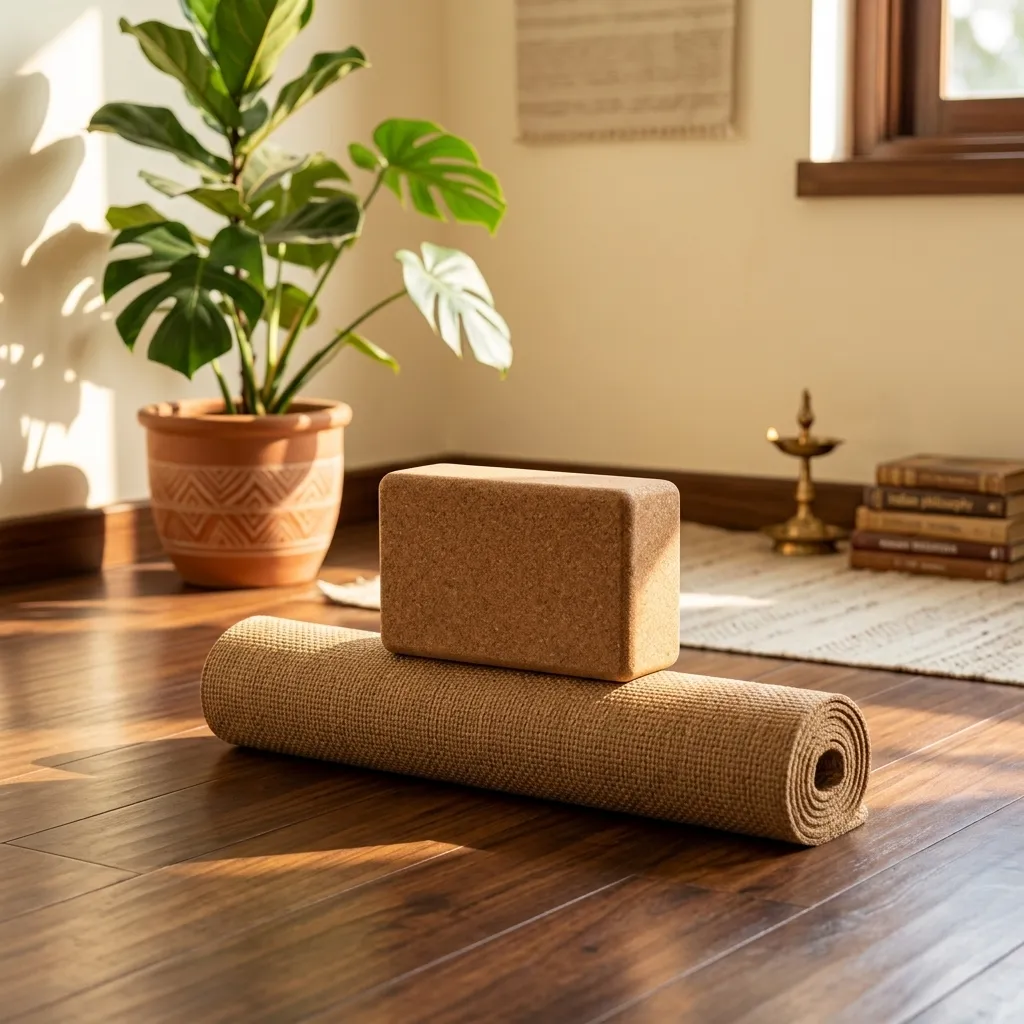
The home practice corner
Light enough to leave by the mat, handsome enough to leave out. It waits in the corner so your morning practice is one less thing to set up.
Show 2 more ways to use it
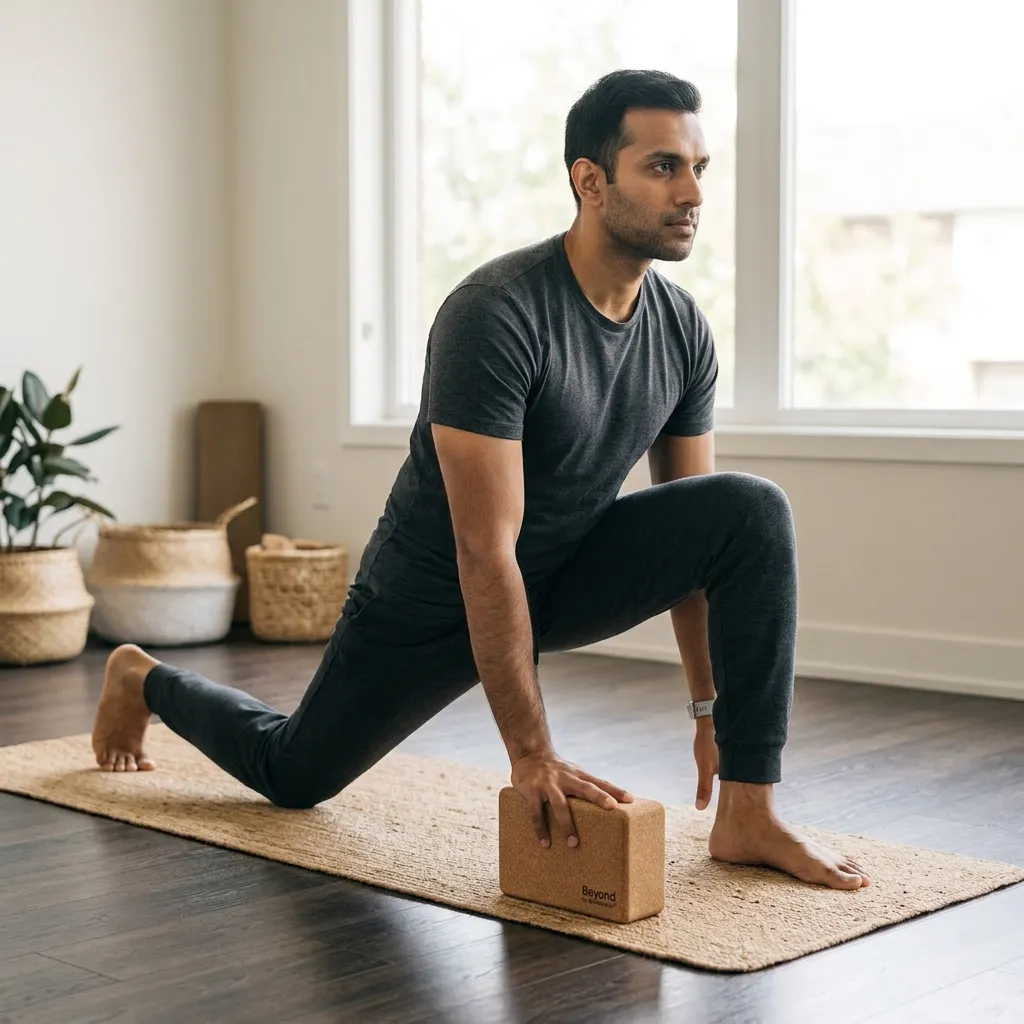
Steady in standing poses
A firm hand-rest in lunges, Warrior III, and balance work. Because cork doesn't give under your weight, it stays put when you need to push off it.
Built to last, easy to keep
Solid cork, no foam core to crumble. Naturally moisture-resistant and antimicrobial, so it shrugs off a sweaty practice — just wipe with a damp cloth and air dry.
A closer look
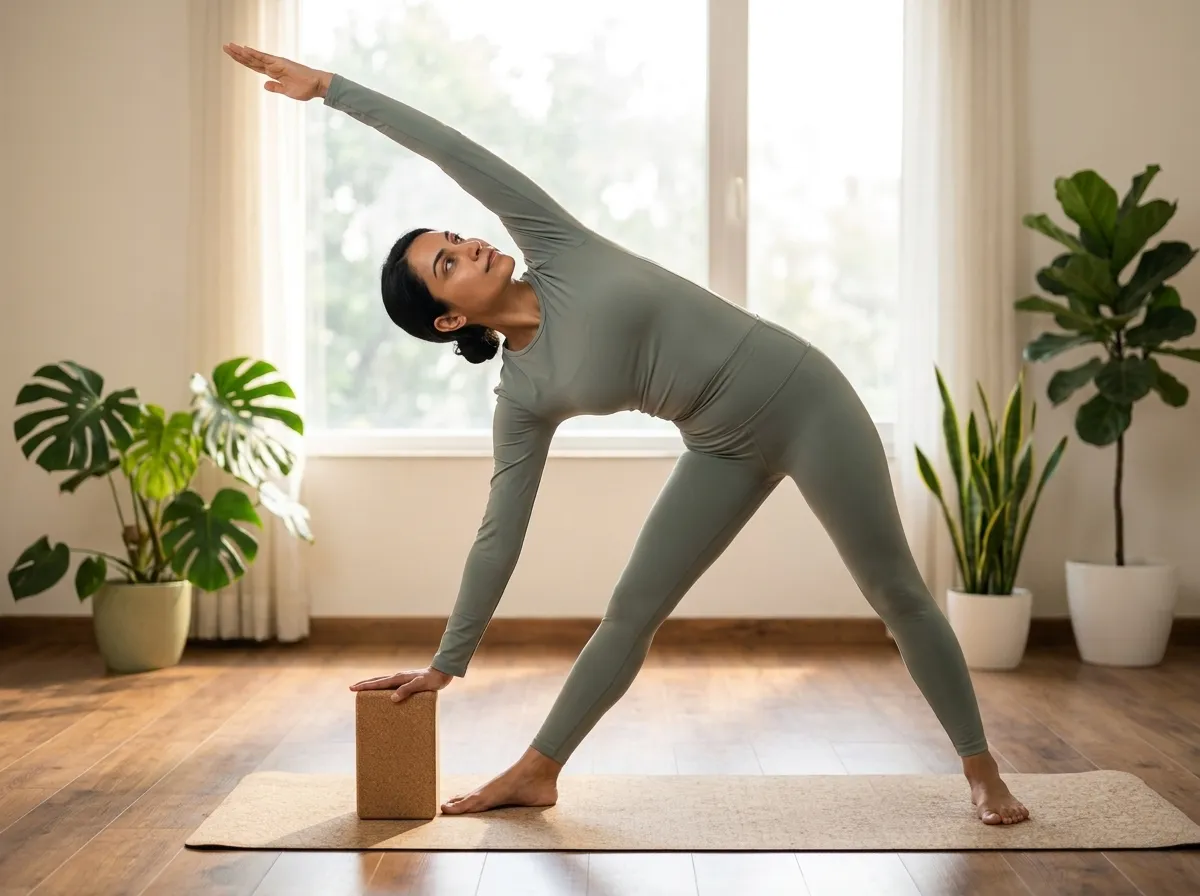
Bring the floor closer
Triangle, Half Moon, the forward folds — the block lets your hand rest where the floor isn't yet. Stood on its tall end, the floor comes up to meet you, so alignment stays honest while flexibility builds underneath. Solid cork holds firm under full bodyweight.
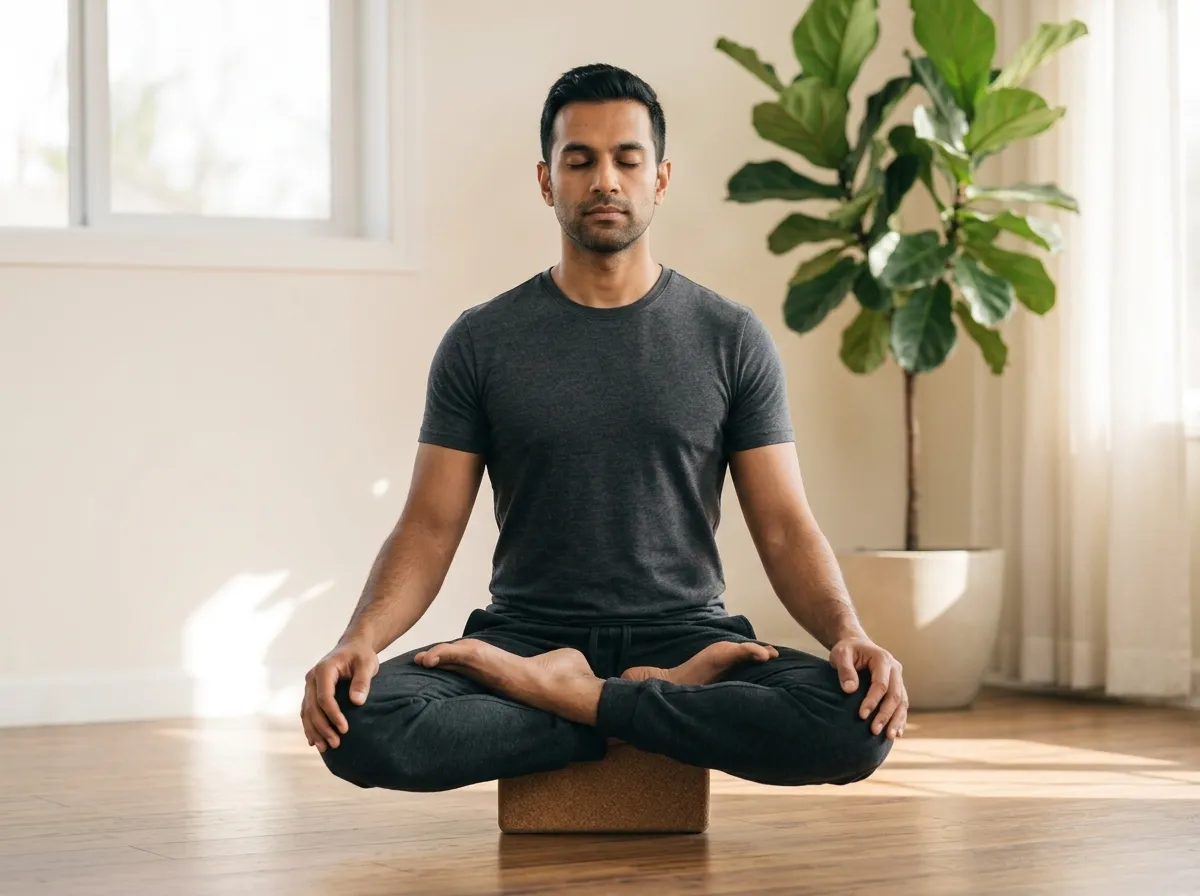
Sit on it, square the spine
Sit on the block to lift the hips above the knees. The pelvis tilts forward, the lower back stops rounding, and the breath gets longer. Pranayama and meditation become something you can actually hold — minutes longer than the bare floor ever allowed.
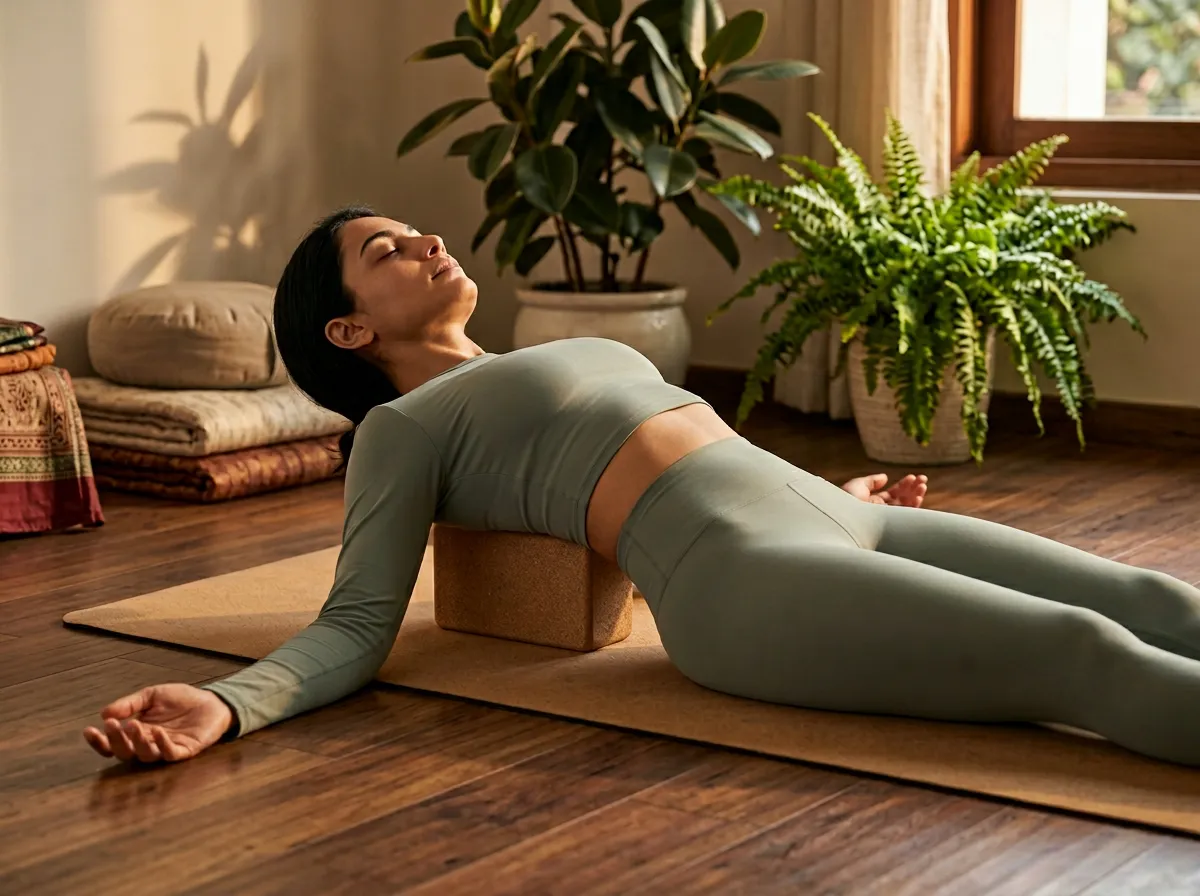
Let the block hold the shape
Under the sacrum for a supported bridge, under the upper back for a gentle heart-opener, under the hip in pigeon. The block holds the shape so the body can soften around it — and because cork doesn't compress, the support stays exactly where you set it.
Who it’s for
- Beginners building flexibility
- Daily home practitioners
- Meditation & pranayama sitters
- Restorative & yin yogis
- Studio-goers who want their own
- Anyone short of the floor
Frequently bought together
No risk in trying it
- ↩️ Easy 10-day returns
- 🚚 Free shipping over ₹299
- 💸 Cash on Delivery available
- 🌱 Sustainable bamboo, built to last
Questions people ask
What customers say
111 verified reviews
“Cork is firm and gives good support in poses. Grip is nice and it doesn�t slip.”
“Helps a lot in stretches and balance. Size is perfect and edges are smooth.”
“Used foam earlier, this feels premium and stable. Worth buying for regular yoga.”
“Block is sturdy and looks durable. Packing was good and delivery was quick.”
“Even with sweaty hands it stays in place. Helpful for daily practice.”
“Good height and firm support. Doesn�t compress like soft blocks.”
Showing 6 reviews
You may also like


Cork Yoga Brick
Bring the floor closer. Hold the line.